

Slavery in the Ottoman Empire: From Slave to Royal Consort and Grand Vizier
Explore the unique nature of slavery in the Ottoman Empire. This article examines the kul and devshirme systems, the legal rights of slaves, and the extraordinary social mobility that allowed individuals like Hürrem Sultan and Sokollu Mehmed Pasha to rise from servitude to the heights of imperial power.
When one thinks of the Ottoman Empire, the images of grandeur and justice that come to mind may seem contradictory when juxtaposed with the concept of “slavery.” Yet slavery was an integral part of Ottoman society and economy for centuries. This article will examine the Ottoman slavery system within its legal and social framework, distinguishing it from its Western counterparts, and will offer a comprehensive view ranging from the daily lives of slaves, their paths to manumission, the stories of famous figures who rose from slavery to power, and ultimately how the institution came to an end.
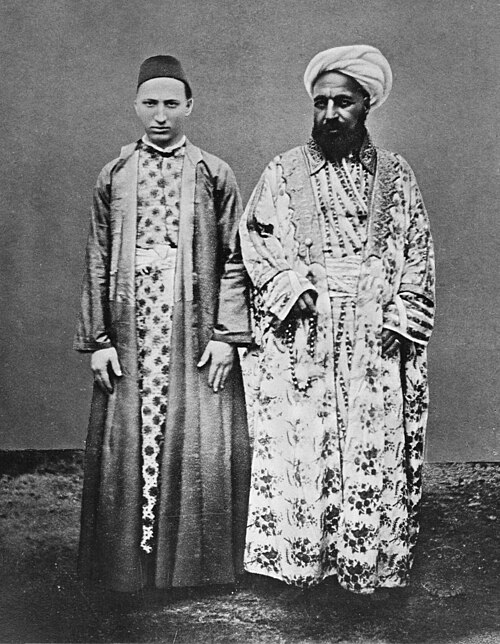
Sources of Slavery: Human Commodity Across the Ottoman Realm
In Ottoman society, slavery was based on religion rather than race or ethnicity. According to Islamic law, a Muslim could not be enslaved. Therefore, the vast majority of slaves came from non-Muslim lands captured as the Empire expanded its borders.
- Prisoners of War: The largest source of slaves was warfare. Captives taken especially during the conquests of the 15th and 16th centuries were subject to a tax called the pencik.
- Trade: The second major source was the organized slave trade. Slaves brought from Eastern Europe (particularly Poles, Ukrainians, Circassians, and Georgians) via the Crimean Khanate were sold at the slave market in Istanbul.
- Piracy and Raids: Pirates operating in the Mediterranean would enslave passengers and crew from captured ships and sell them at markets.
- Birth (Umm al-Walad): When a female slave gave birth to her master’s child, she attained the status of umm al-walad. This status guaranteed her freedom upon her master’s death.
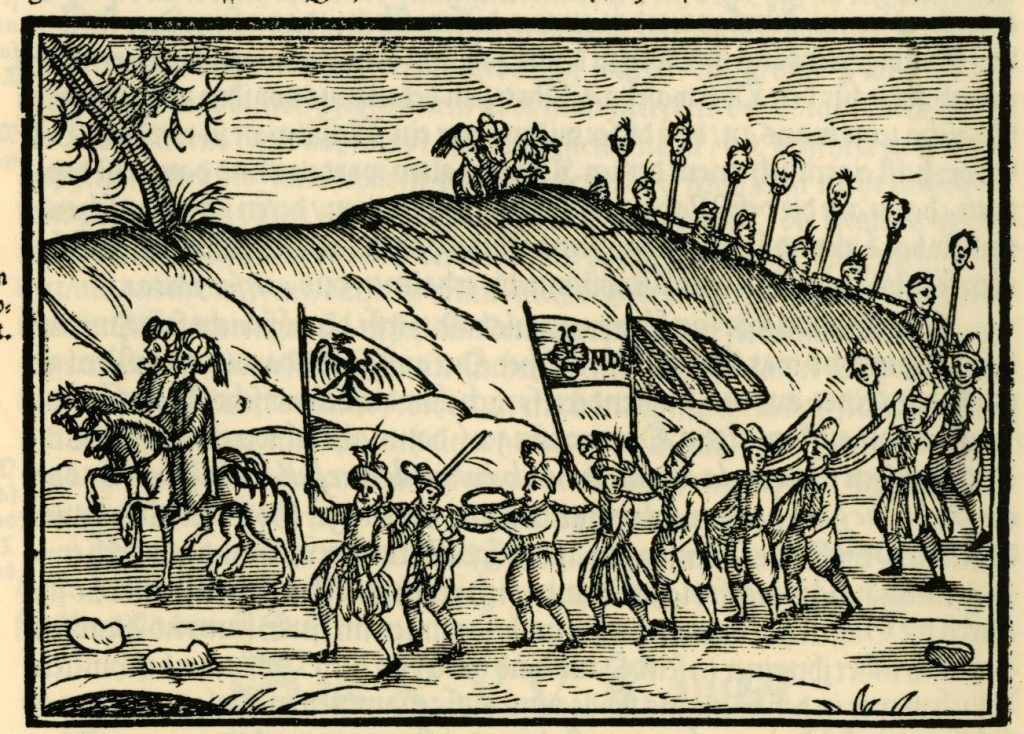
The Economy of Human Commodity: The Slave Market and Slave Prices
The “Slave Market” in Istanbul, along with similar markets in other major cities, was the heart of the slave trade. Several factors determined a slave’s price:
- Gender and Age: Young adults were the most valuable.
- Health and Physical Appearance: Strong, healthy, and beautiful slaves were more expensive.
- Education and Skills: The value of those with special skills like musicianship, embroidery, or literacy multiplied.
- Ethnicity: Prices varied according to the social perceptions of the era.
Links of the Chain: Classification and Employment of Slaves
Slaves in the Ottoman Empire can be roughly classified by the work they performed.
1. Palace and Military Slaves (The Kul System)
This was perhaps the most “unique” aspect of the Ottoman slavery system.
- Janissaries: The elite infantry corps of the army.
- Enderun: They would receive education at the palace school and become high-ranking bureaucrats and administrators of the state.

2. Domestic and Service Slaves
Slaves working in the households of urban elite families in daily chores were common. Female slaves, especially those purchased as concubines (cariye), would assist the lady of the house and sometimes take a place in the harem as the master’s concubine.
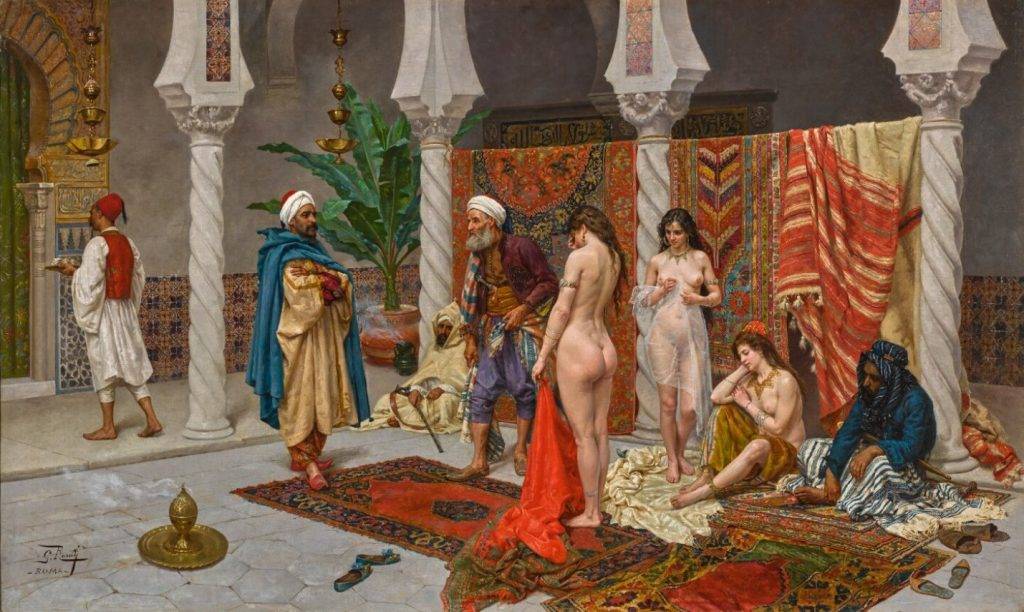
3. Agricultural and Industrial Slaves
The conditions for slaves working on large farms or in mines were generally harsher. However, there was a fundamental difference from plantation slavery in the Americas: these slaves were not the sole backbone of large-scale, capital-intensive production.
From Slavery to Power: Figures of Slave Origin Who Shaped Ottoman History
The most striking aspect of the Ottoman slavery system was the opportunity for social mobility it offered to talented individuals within the “kul system.” Here are the most famous figures who symbolize this system:
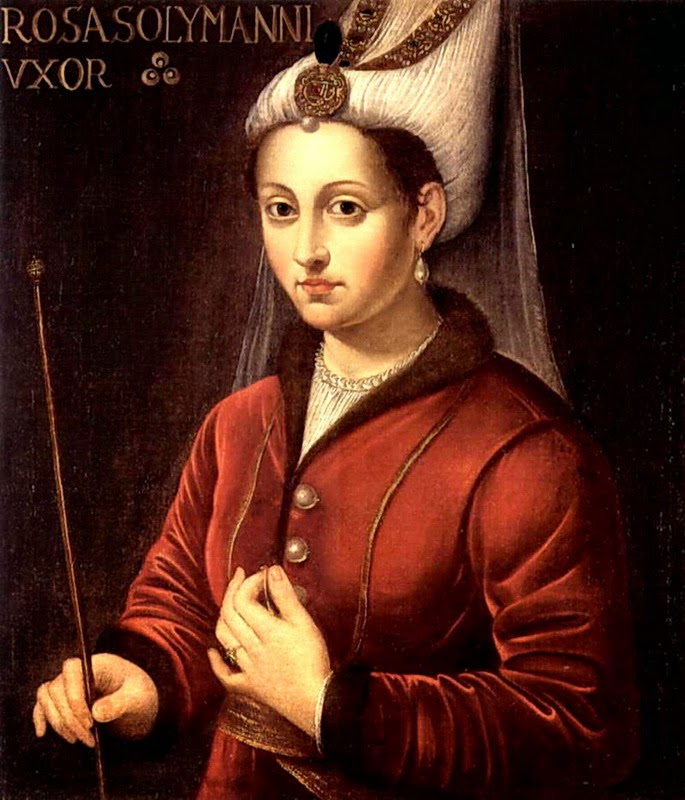
Hürrem Sultan: A Concubine’s Mark on the Ottoman Dynasty
- Origin: She was brought to Istanbul as a slave of Ruthenian (present-day Ukraine) origin.
- Rise: She won the heart of Suleiman the Magnificent with her intelligence and charisma. She became the first concubine to legally marry a sultan, transcending traditional statuses.
- Impact: She was not only the sultan’s wife but also an important diplomat and philanthropist. The complexes she commissioned made a lasting contribution to Istanbul’s skyline.
Sokollu Mehmed Pasha: The Genius Who Rose from Slavery to Grand Vizier
- Origin: He was brought into the Ottoman system as a child from a Bosnian Christian family through the devshirme system.
- Rise: Following his outstanding education at the Enderun Palace School, he rose rapidly through intelligence and talent.
- Achievements: He served as grand vizier for a full 14 years under Suleiman the Magnificent, Selim II, and Murad III, becoming one of the longest-serving grand viziers in Ottoman history. He is known for his visionary projects that were ahead of his time.
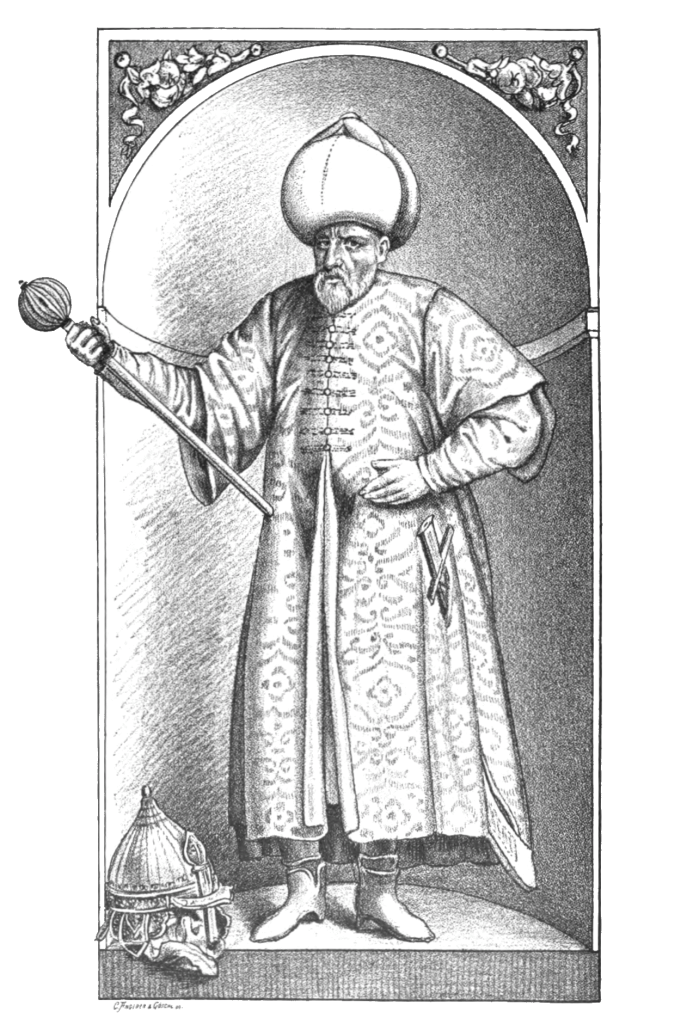
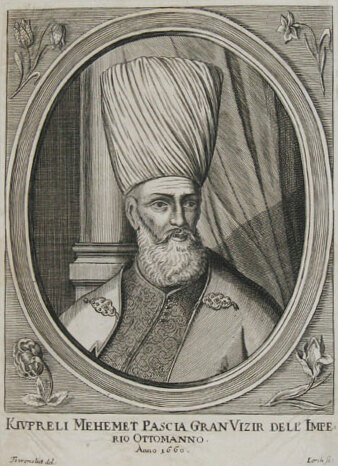
Köprülü Mehmed Pasha: Founding a Dynasty that Shaped the Ottoman Empire
- Origin: He was a devshirme recruit of Albanian origin.
- Rise: He attracted attention with his successes in various palace duties.
- Achievements and Impact: He became grand vizier during the reign of Mehmed IV. He was granted extraordinary powers and tasked with reviving the empire. Through his radical decisions, he pulled the state out of the crisis it was in and became the founder of the famous Köprülü family, which produced a succession of grand viziers.
Rights of the Slave: The Status of Slaves in Sharia and Imperial Statutes
To understand Ottoman slavery, it is essential to understand the legal framework surrounding it. Islamic law (sharia) and the complementary sultanic decrees (kanunnames) granted slaves certain rights.
- Right to Basic Needs: The master was obliged to provide for his slave’s basic needs such as food, drink, shelter, and clothing.
- Religious Rights: Slaves had the right to become Muslim and to worship.
- Right to Own Property: Slaves could, with their master’s permission, acquire their own property and accumulate savings.
- Protection Against Mistreatment: If a master subjected his slave to excessive violence, he could be tried and punished.
Breaking the Chains: Methods Promising Freedom in the Ottoman Empire
The most dynamic aspect of the Ottoman slavery system was the relative prevalence of avenues through which slaves could gain their freedom.
- Manumission in Exchange for Payment (Mükâtebe): This was the most common method. The slave and master agreed on a price of freedom; the slave was freed upon paying this amount.
- Conditional Manumission (Tadrîr): A master could stipulate in his will that his slave be freed after his death.
- Voluntary Manumission: The master freeing his slave without payment in order to earn religious merit.
- Umm al-Walad Status: A concubine who bore her master a child would automatically be free upon her master’s death.
The End of an Institution: The Abolition of Slavery in the Ottoman Empire
The 19th century was the period when slavery began to be questioned and prohibited in the Ottoman Empire.
- External Pressures: Great Britain, in particular, undertook a major diplomatic effort to ban the slave trade.
- Internal Reforms (Tanzimat): The Tanzimat Edict (1839) guaranteed the life and property security of all Ottoman subjects, ideas that weakened the institution of slavery.
- Gradual Prohibitions: First, the slave market in Istanbul was closed in 1847. In 1857, the black slave trade was banned.
- Official Abolition: Slavery was definitively and completely abolished with the founding of the Republic of Turkey, through the 1924 Constitution and the Turkish Civil Code of 1926.
Conclusion: Slavery in the Ottoman Empire as a Complex Historical Phenomenon
Slavery in the Ottoman Empire is too complex to be read as a one-dimensional story of oppression. On one hand, there was the inhumane trade and harsh working conditions; on the other, the legal rights granted to slaves, the opportunities for social mobility, and the paths to freedom reveal the multi-layered nature of this system. Slavery was an institution deeply embedded in the Ottoman social fabric. Understanding it requires not only a history of humanity but also a reading of legal, economic, and cultural history.
Bibliography and Further Reading Suggestions
Toledano, Ehud R. Osmanlı Köle Ticareti ve Kaldırılması, 1840-1890 [The Ottoman Slave Trade and Its Abolition, 1840-1890]. Tarih Vakfı Yurt Yayınları.
Zilfi, Madeline C. Osmanlı İmparatorluğu’nda Kölelik ve Kadınlar (1700-1840) [Slavery and Women in the Ottoman Empire (1700-1840)]. Kitap Yayınevi.
İnalcık, Halil. Osmanlı İmparatorluğu: Klasik Çağ (1300-1600) [The Ottoman Empire: The Classical Age (1300-1600)]. Yapı Kredi Yayınları.
Faroqhi, Suraiya. Osmanlı Kültürü ve Gündelik Yaşam [Ottoman Culture and Daily Life]. Tarih Vakfı Yurt Yayınları.
“Kölelik” Maddesi [“Slavery” Entry]. İslam Ansiklopedisi [Encyclopaedia of Islam], Türkiye Diyanet Vakfı.
Uzunçarşılı, İsmail Hakkı. Osmanlı Devleti’nin Saray Teşkilatı [The Palace Organization of the Ottoman State]. Türk Tarih Kurumu Yayınları.
Alderson, A. D. Osmanlı Hanedanının Yapısı [The Structure of the Ottoman Dynasty]. İletişim Yayınları.
⚖️
License and Copyright Notice
Media usage rules
Check the license/copyright information for all media files (images, videos, audio, documents, etc.) included in this content from the relevant work descriptions.
📚 Read the Terms and Conditions