

The Hittite Language: Deciphering the Oldest Indo-European Tongue and Its Modern Revival
Explore the Hittite language—the oldest recorded Indo-European language. Discover its decipherment, linguistic structure, Anatolian roots, and how AI is bringing this lost language back to life.
The ancient lands of Anatolia have hosted countless civilizations throughout history, each leaving its linguistic and cultural heritage imprinted on this fertile geography. Perhaps one of the most valuable pieces of this heritage is Hittite, which is not only Anatolia’s but the entire Indo-European language family’s oldest historically documented member. Used as the official correspondence language of the Hittite Empire in the 2nd millennium BCE, Hittite fell into oblivion after the empire’s collapse, remaining silent until the decipherment of thousands of cuneiform tablets at the beginning of the 20th century.
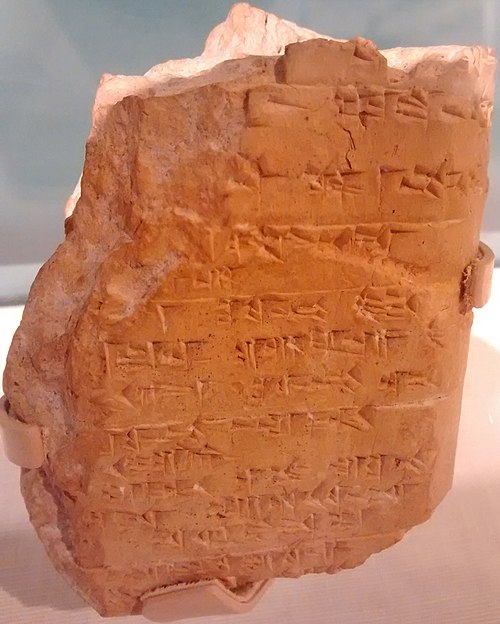
The Arrival of Writing in Anatolia and the Birth of Hittite
The story of Hittite begins with the arrival of writing in Anatolia. Archaeological findings show that written systems entered Anatolia at the beginning of the 2nd millennium BCE through Assyrian merchants. During this period, known as the Assyrian Trade Colonies Age (1950–1750 BCE), thousands of cuneiform tablets containing trade records of Assyrian merchants have been found in centers such as Kültepe (Kanesh).
The Hittites established a powerful empire centered on Hattusa (modern-day Boğazkale, Çorum) in the 17th century BCE. Although Hittite was also written with their own writing system, Anatolian hieroglyphs, a system adapting Assyrian cuneiform was largely used for official diplomatic correspondence and palace archives. The Hittites not only adopted cuneiform as a tool but also transformed it to express the sounds and grammatical structure of their own language.
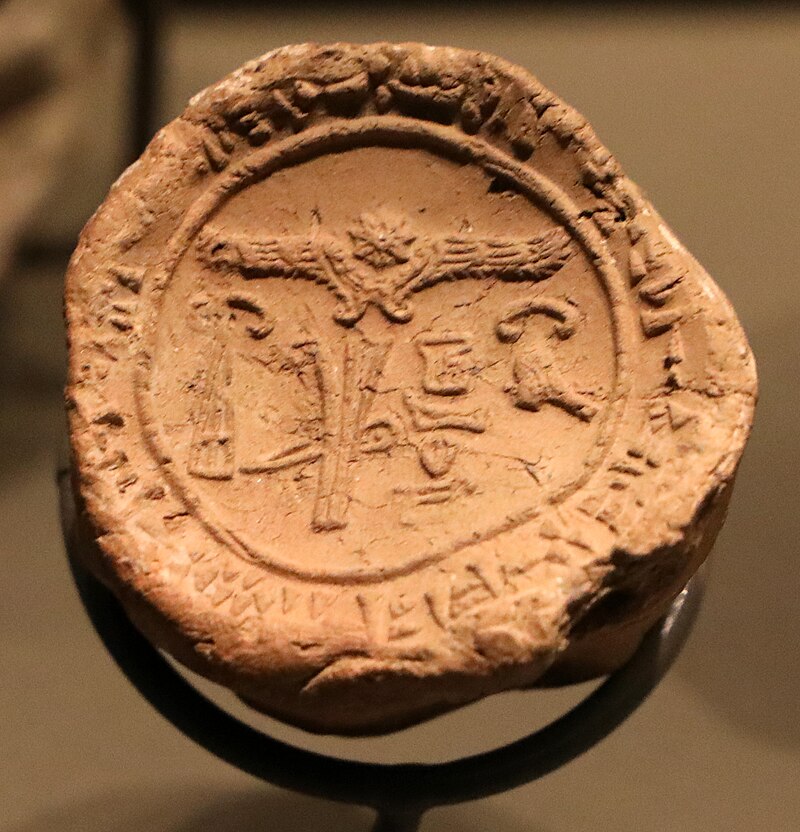
The Linguistic Identity of Hittite: The Missing Link of the Indo-European Family
Hittite belongs to a special group within the Indo-European Language Family called the Anatolian languages. Linguists state that this group is the earliest branch to have split off and therefore carries the most archaic features of the Indo-European languages.
Anatolian Language Family:
- Hittite (Nesite): The official language of the Hittite Empire. Because they called themselves “Nesites,” they referred to their language as “Nesite” or “Nesumnili.”
- Luwian: Closely related to Hittite, Luwian was widely spoken especially in southern and western Anatolia during the imperial period.
- Palaic: The third relative of Hittite and Luwian, Palaic was spoken mostly in northwestern Anatolia.
The position of Hittite within this language family explains why it is so important. Hittite preserves many archaic features that have disappeared from other classical Indo-European languages (Latin, Greek, Sanskrit). For example, it belongs to the “Centum” group, one of the main subgroups of the Indo-European family, and within this group it forms the root of languages such as English, German, French, and Italian.
The Epic Story of Decipherment: Hrozný’s Genius
The story of Hittite’s rediscovery is as gripping as a detective story. At the beginning of the 20th century, during excavations at Boğazköy (Hattusa), a team of German archaeologists led by Hugo Winckler found thousands of tablets written in an unknown language, despite being inscribed in Akkadian cuneiform.
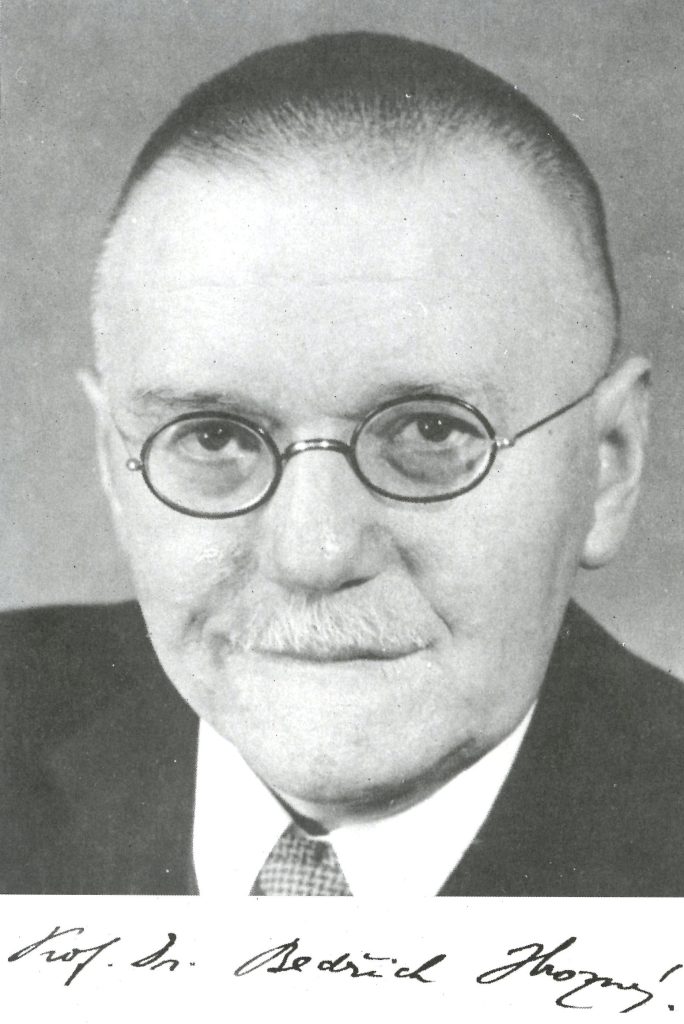
The decipherment of these tablets fell to the Czech scholar Bedřich Hrozný. Hrozný began studying the tablets in 1915. While examining a sentence on a tablet, he made a revolutionary deduction. The sentence he studied was “Nu NINDA-an ezzateni watar-ma ekuteni.” Hrozný knew that the “NINDA” sign meant “bread” in Akkadian. He interpreted the verb “ezzateni” as “you eat” by comparing it with words for “to eat” in other Indo-European languages (Latin edere, German essen, English eat). Likewise, he translated the word “watar” as “water” and the verb “ekuteni” as “you drink.” Thus he translated the sentence as “Now you will eat bread and drink water.“
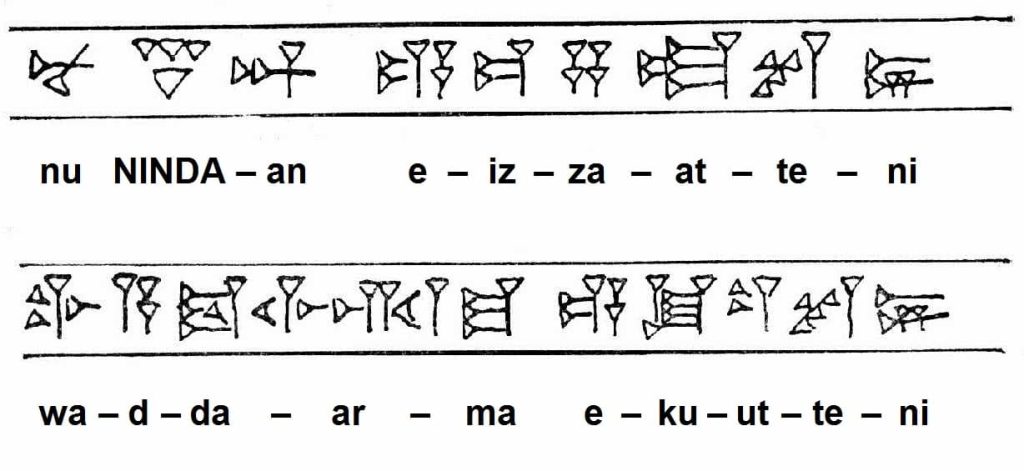
This inference provided very strong evidence that the language was an Indo-European language. With his 1917 publication “Die Sprache der Hethiter” (The Language of the Hittites), Hrozný presented the first scientific outline of Hittite grammatical structure and thus laid the foundations of the discipline of Hittitology.
Structural Features and Vocabulary of Hittite
The grammatical structure of Hittite is relatively simple compared to other early Indo-European languages. Grammatical gender (masculine, feminine, neuter) is not fully developed; a distinction between animate and inanimate is more prominent. Verb conjugations, on the other hand, show rich variety in terms of person, number, tense, and mood.
Some basic words in Hittite clearly reflect Indo-European roots:
| English | Hittite | Comparative Examples |
|---|---|---|
| Water | watar | English: water, German: Wasser |
| Eat | ezza- | Latin: edere, English: eat |
| Drink | eku- | Latin: aqua (water) |
| Mother | anna- | Turkish: anne |
| Father | atta- | Turkish: baba |
Another interesting aspect of Hittite is that it borrowed significantly not only from non-Indo-European local Anatolian languages like Hattic but also from Mesopotamian languages such as Sumerian and Akkadian, especially in the fields of religion, law, and science. This situation is also an indication of how synthetic and multicultural Hittite culture was.
Hittite in the Modern Age: Artificial Intelligence and Digital Revival
Although Hittite became a dead language without leaving any direct descendants, the legacy it left behind is surprisingly vibrant. Today, it has been determined that approximately 60 Hittite words are still used in Turkish or have similar forms.
Even more importantly, Hittite is not only remaining a thing of the past but is being revived through technology. In recent years, artificial intelligence systems have succeeded in deciphering and reviving forgotten languages like Ancient Hittite. This technology analyzes inscriptions on clay tablets and papyri, reconstructs the phonetic structure and grammatical rules of these languages, and can even generate models of how they were pronounced. This development represents a revolution in efforts to understand lost languages and preserve cultural heritage.
Conclusion: From a Lost Language to a Universal Heritage
Hittite is a great treasure not only for historians and linguists but for anyone interested in human history. This language has been able to convey to us not only the laws, treaties, and epics of an ancient civilization but also its everyday concerns, prayers, and hopes.
The rediscovery and decipherment of Hittite is one of the most important contributions made to the shared memory of humanity. This process has shown that a civilization thought to be lost could actually rise from its ashes. Today, the fact that we can even hear the pronunciation of this ancient language with the help of modern technologies like artificial intelligence tangibly shortens the distance between us and the past.
Bibliography and Further Reading
Books and Articles
Bryce, T. (2005). The Kingdom of the Hittites. Oxford: Oxford University Press.
Hoffner, H. A. & Melchert, H. C. (2008). A Grammar of the Hittite Language. Winona Lake: Eisenbrauns.
Hrozný, B. (1917). Die Sprache der Hethiter: ihr Bau und ihre Zugehörigkeit zum indogermanischen Sprachstamm. Leipzig: J.C. Hinrichs.
Melchert, H. C. (1994). Anatolian Historical Phonology. Amsterdam: Rodopi.
Ünal, A. (2007). Hititçe-Türkçe, Türkçe-Hititçe Büyük Sözlük [Hittite-Turkish, Turkish-Hittite Comprehensive Dictionary]. Ankara: Türk Tarih Kurumu.
Akurgal, E. (1995). Hattusha ve Hittiler’in Kutsal Kenti [Hattusha and the Sacred City of the Hittites]. Ankara: TÜBİTAK.
Alparslan, M. (2015). Hititler: Bir Anadolu İmparatorluğu [The Hittites: An Anatolian Empire]. İstanbul: Yapı Kredi Yayınları.
Digital Resources
Hattuşa Dijital Arşivi [Hattusa Digital Archive].
Anadolu Medeniyetleri Müzesi – Google Arts & Culture [Museum of Anatolian Civilizations – Google Arts & Culture].
Koç Üniversitesi Kütüphanesi (TEBE Koleksiyonu) [Koç University Library (TEBE Collection)].
⚖️
License and Copyright Notice
Media usage rules
Check the license/copyright information for all media files (images, videos, audio, documents, etc.) included in this content from the relevant work descriptions.
📚 Read the Terms and Conditions