

In the Light of Travelogues: 17th‑Century Anatolia – Taking the Pulse of an Empire
Discover the social, economic, and cultural fabric of 17th-century Anatolia through the eyes of Evliya Çelebi, Paul Rycaut, and other travelers. Embark on a journey that takes the pulse of an empire in the light of travelogues.
The 17th century was a period when the Ottoman Empire both reached its zenith and stood on the threshold of profound transformations. Although it is called the “Period of Stagnation,” Anatolia itself was nothing short of a dynamic, vibrant, and complex mosaic. While official state records provide us with the outlines of political and military history, the most valuable sources for understanding the colors, scents, sounds, and rhythms of daily life in this era are the travelogues left by travelers who traversed Anatolian lands. In this article, drawing primarily on the monumental work of Evliya Çelebi and accompanied by observations of Western travelers, we will sketch a social, economic, and cultural portrait of 17th-century Anatolia.
Travelogue Writing: Perspectives of the East and the West
It is possible to roughly categorize the travelers who visited Anatolia in the 17th century into two groups: Evliya Çelebi, an insider observer, and those from outside, mostly with a Western perspective.
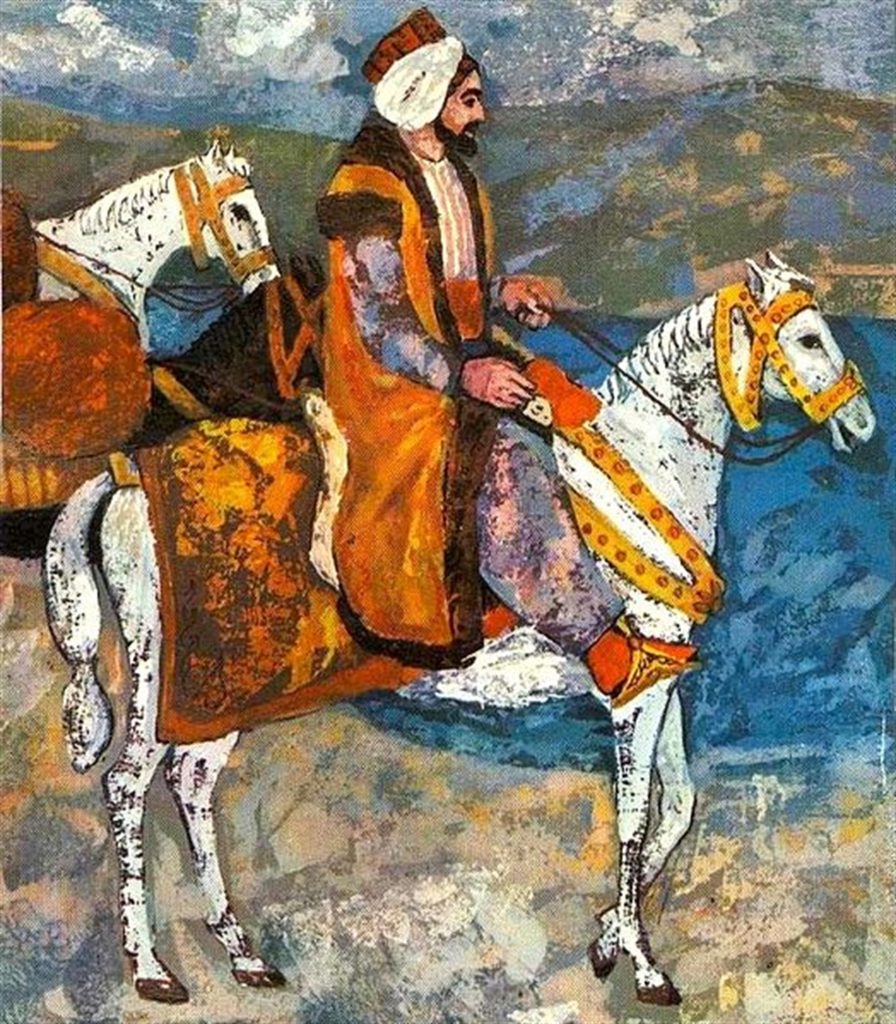
- Evliya Çelebi (1611-1682): Traveling across the Ottoman realm and beyond for over 50 years, Evliya Çelebi, with his ten-volume “Seyahatname” (Book of Travels), is one of the most important figures not only in Turkish culture but also in world travel literature. His narrative is colorful, exaggerated, close to colloquial speech, and extremely detailed. He recorded not only a city’s architecture but also the prices in its markets, folk dances, culinary culture, legends, and even the breeds of its horses. His work is the most vivid portrait of the empire through the eyes of an Ottoman subject.
- Western Travelers (Jean-Baptiste Tavernier, Paul Rycaut, etc.): The motivations of these travelers were somewhat different. Some were merchants (Jean-Baptiste Tavernier), some diplomats (Paul Rycaut), and some adventurers. Their observations are generally more analytical, sometimes prejudiced, but filled with invaluable information about the Ottoman administrative and economic system. In particular, Rycaut’s “The Present State of the Ottoman Empire” is a seminal source for understanding 17th-century Ottoman political and social institutions.
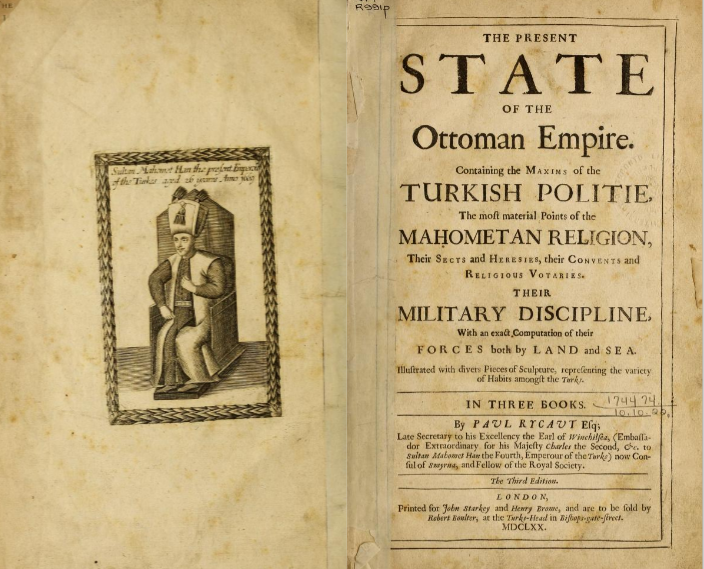
These two different perspectives offer us the opportunity to understand Anatolia both from within and without, sometimes corroborating and sometimes contrasting with each other.
The Splendor of Cities and Colorful Life: Social and Cultural Life
Travelogues depict 17th-century Anatolian cities as living organisms.
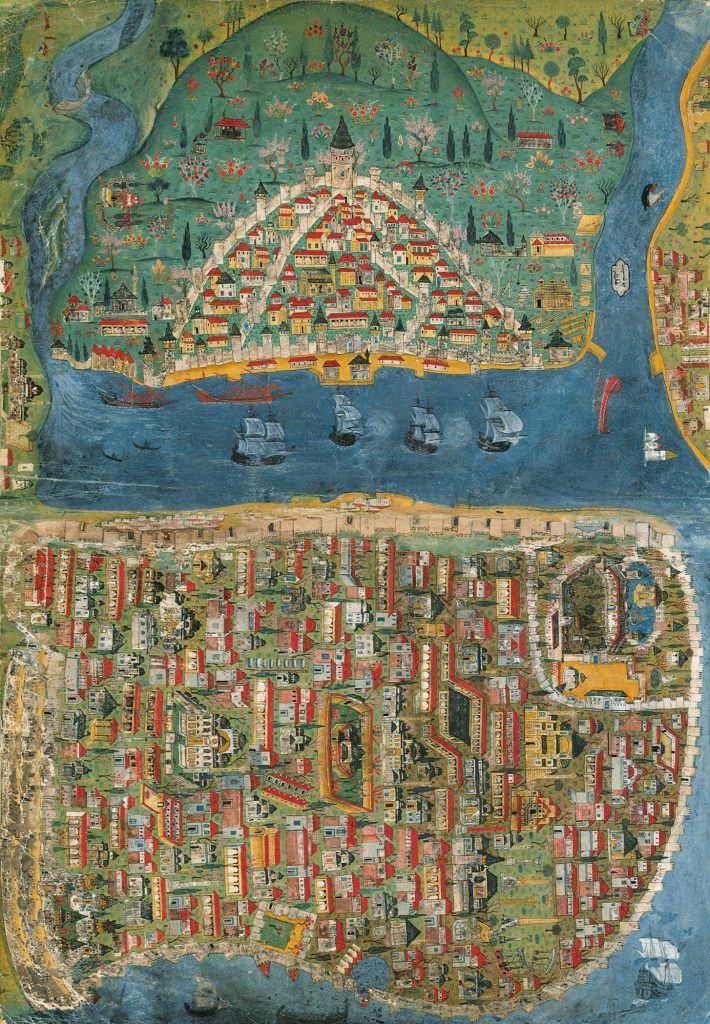
Istanbul: Capital of the World
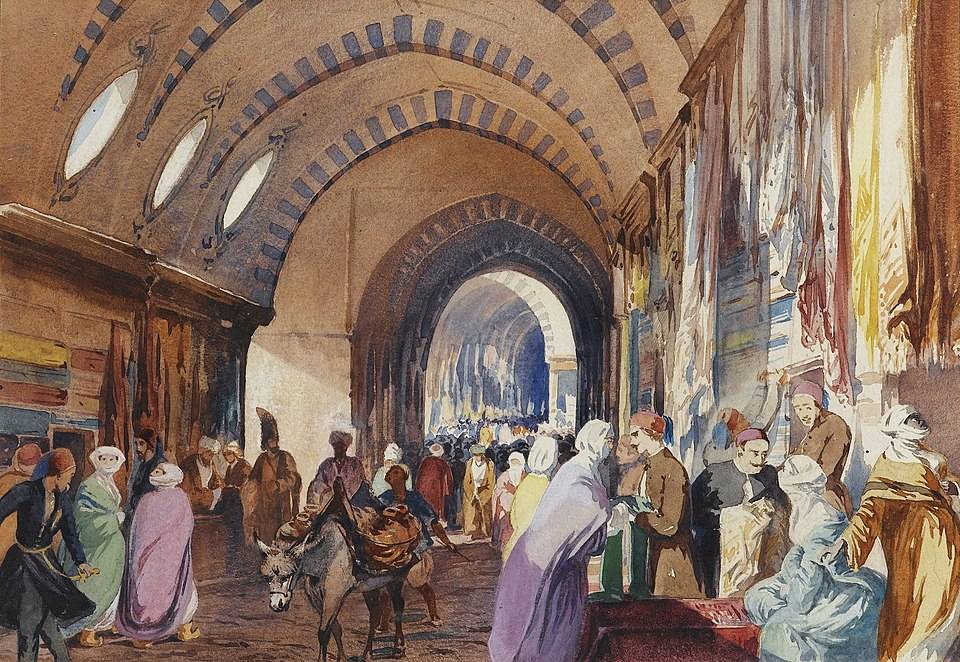
In Evliya Çelebi’s narrative, Istanbul is a world capital. He records its population, neighborhoods, and guilds with incredible diligence. In his eyes, Istanbul is a cosmopolitan center where 80 languages are spoken and every nation and religion can live side by side. Its bazaars are filled with “a thousand and one varieties” of goods. The Grand Bazaar and the Egyptian Bazaar are not only centers of trade but also the beating heart of social life. Western travelers, while admiring the city’s skyline and Hagia Sophia, speak of its crowds, chaos, and traces of “oriental despotism.”
Anatolian Cities: Bursa, Ankara, Kayseri
- Bursa: For Evliya Çelebi, Bursa is the “city of sultans” and a spa and leisure center dominated by every shade of green. Silk production and trade are the economic lifeblood of the city. The quality and variety of silk fabrics in its bazaars drew the attention of both local and foreign travelers.
- Ankara: In the 17th century, Ankara was the center of sof fabric, made from the wool of the world-famous Angora goat (Ankara goat). Evliya Çelebi recounts how Ankara earned tremendous income from the sof trade. The city’s khans and caravanserais overflowed with caravans coming from Iran and Aleppo. This is proof of how vibrant a trade network Anatolia possessed.
- Kayseri: With its location on trade routes, Kayseri was an important center of commerce and crafts. The role of Armenian and Greek merchants in the city’s economy is frequently emphasized in travelogues. This situation reveals the active and sometimes dominant position of non-Muslim subjects in the economic life of the Ottoman Empire.
Daily Life, Entertainment, and Customs
Travelogues describe not only the physical structure of cities but also how people lived. Evliya Çelebi describes coffeehouses as “assemblies of wisdom.” He notes that people drank coffee, played chess, recited poetry, and discussed politics there. The hamam (bath) culture was an indispensable part of social life. Fairs, festivals, and especially Meddah storytelling were among the main sources of public entertainment. Western travelers, on the other hand, frequently praise the hospitality, cleanliness, and culinary culture (especially yogurt and kebabs) of the Turks.
The Wheels of the Economy: Agriculture, Trade, and Guilds
The 17th-century Anatolian economy had a structure in which agriculture, animal husbandry, crafts, and trade were intertwined.
Agriculture and Village Life:
Since travelers’ routes were usually the main roads between cities, their observations of village life are limited. However, they mention agricultural production (wheat, barley, grapes, fruit) in the villages they passed through and the living conditions of the villagers. The Celali Revolts (the Great Flight) had a devastating impact on the Anatolian peasantry, a fact that finds a place in the notes of both Evliya Çelebi and Western travelers. It is a frequently emphasized fact that the peasantry struggled under heavy taxes and bandit attacks, and were thus forced to abandon their land.
Trade Networks and Caravanserais:
As the heir to the Silk and Spice Routes, Anatolia had a vibrant trade network. Evliya Çelebi describes in detail the caravanserais found every 30-40 kilometers. These structures were not only places where merchants and caravans lodged but also functioned like an insurance system ensuring the safety of interregional trade. It is observed that merchants came from various nations, and trade was largely conducted among Armenian, Greek, Jewish, and Muslim Turkish merchants.
Guilds and Price Control:
The backbone of the urban economy was the guilds (the continuation of the ahi organization). When Evliya Çelebi entered a city, he would invariably count the guild groups, noting what they produced and their numbers. Guilds had functions such as quality control, price setting, and regulating apprentice-journeyman-master relationships. This system protected consumers from excessive prices and also prevented unfair competition among producers. Western observers like Paul Rycaut expressed admiration for the discipline and organization of this guild system.
Administrative Structure and the Celali Revolts: Traces of a Crisis
Travelogues also reflect the political and administrative turbulence of the 17th century.
Central Government and Provincial Administration:
Throughout his travels, Evliya Çelebi met with many governors, kadis, and sanjak beys. His narratives provide vivid examples of how provincial administration functioned. However, with the weakening of central authority, it can also be observed that some governors and officials oppressed the people, and bribery and corruption increased. Western travelers, particularly Rycaut, analyzed the deterioration of the “timar system” in the Ottoman administrative structure and the problems it caused.
The Celali Revolts: The Bleeding Wound of Anatolia:
To understand 17th-century Anatolia, it is impossible to ignore the Celali Revolts. Evliya Çelebi personally witnessed the consequences of these revolts during his travels. In the stories he tells, burned and destroyed villages, abandoned fields, and the security concerns of the people are clearly visible. He recounts that in the period known as the “Great Flight,” peasants, lacking security of life, abandoned their lands and migrated to cities or safer regions. This social and economic collapse also appears in the reports of Western travelers as evidence of the weakness of the Ottoman Empire.
Mosaic of Religions and Cultures: Coexistence
Ottoman Anatolia had a structure in which Muslim Turks were the majority, but non-Muslim communities such as Greeks, Armenians, Jews, and Assyrians also constituted a significant population. The travelogues show the reflections of this millet system in daily life.
When describing a city, Evliya Çelebi always mentions it together with its mosques, churches, and synagogues. For example, the rise of the Sultanahmet Mosque next to Hagia Sophia in Istanbul is not a contradiction for him, but a part of the city’s identity. In the bazaars, non-Muslim artisans operated alongside Muslim ones. Western travelers, especially impressed by the religious freedoms of Christian subjects and their ability to apply their own laws, speak of this. However, it must be noted that this atmosphere of tolerance coexisted with practices such as the jizya tax, and tensions occasionally arose.
Conclusion: Travelogues Are Living Windows into History
17th-century Anatolia comes to life between the lines of travelogues. When Evliya Çelebi’s exuberant and colorful narrative is combined with the analytical and sometimes critical perspective of Western travelers, an extremely rich and multidimensional picture emerges. In this picture, magnificent cities stand alongside impoverished villages, disciplined guilds beside a deteriorating administrative order, and tolerant coexistence alongside social upheavals.
Travelogues not only tell us what happened in the past, they also offer the opportunity to read the social DNA of a civilization. The dynamics of 17th-century Anatolia also shed light on the understanding of the social, cultural, and economic structure of present-day Turkey. Therefore, the works of Evliya Çelebi and his contemporaries are unique and living documents that should be consulted not only by historians but by anyone interested in the ancient story of Anatolia.
Sources and Further Reading
- Evliya Çelebi. (2003-2010). Günümüz Türkçesiyle Evliya Çelebi Seyahatnamesi (10 Vols.). Yapı Kredi Yayınları. (Original work published 17th century).
- Rycaut, Paul. (1668). The Present State of the Ottoman Empire. London: John Starkey & Henry Brome.
- Tavernier, Jean-Baptiste. (1676). Les Six Voyages de Jean-Baptiste Tavernier. Paris: G. Clouzier & C. Barbin.
- İnalcık, Halil. (2019). Osmanlı İmparatorluğu Klasik Çağ (1300-1600). Yapı Kredi Yayınları.
- Faroqhi, Suraiya. (2005). Osmanlı Kültürü ve Gündelik Yaşam: Ortaçağdan Yirminci Yüzyıla. Tarih Vakfı Yurt Yayınları.
- Mantran, Robert. (1990). 17. Yüzyılın İkinci Yarısında İstanbul (Trans. M. A. Kılıçbay & E. Özcan). TTK Yayınları.
- Baykara, Tuncer. (2014). Türk Kültür Tarihine Bakışlar. Ötüken Neşriyat.
- Darling, Linda T. (1996). Revenue-Raising and Legitimacy: Tax Collection and Finance Administration in the Ottoman Empire, 1560-1660. Brill.
⚖️
License and Copyright Notice
Media usage rules
Check the license/copyright information for all media files (images, videos, audio, documents, etc.) included in this content from the relevant work descriptions.
📚 Read the Terms and Conditions